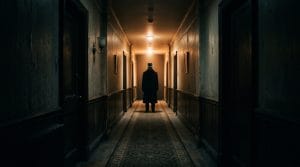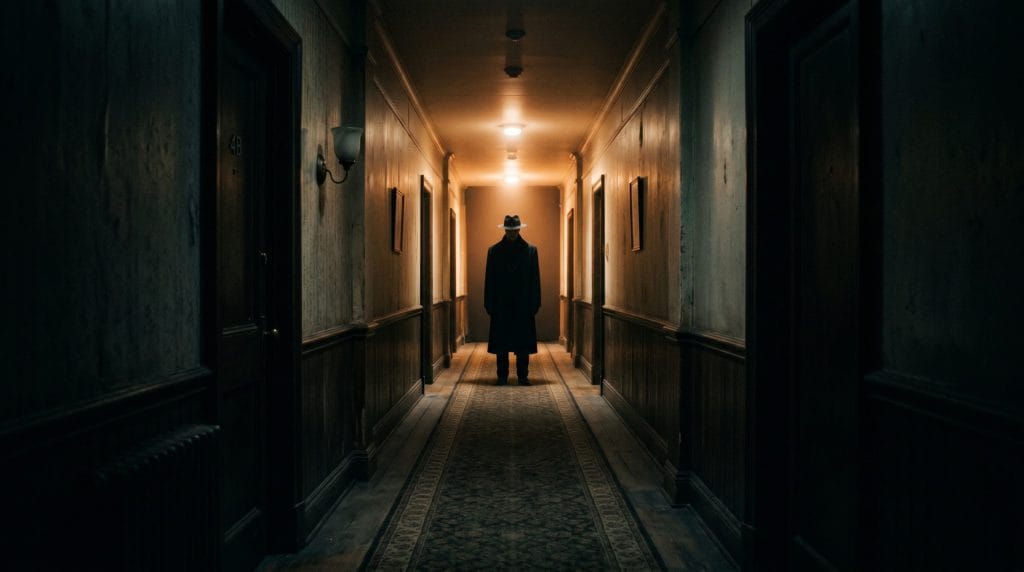
The fear that psychological horror produces isn’t physical revulsion. It’s something closer to dread — the sense that something is wrong, that the rules you rely on to understand the world are not quite holding.
Notably, that feeling doesn’t fade the way shock does. It lingers
The reason is that psychological horror targets things you can’t turn off. Your ability to trust people. Your confidence in your own perceptions. The assumption that people who care about you are acting in your interest. Importantly, these aren’t optional features. They’re the foundation of how you move through daily life. When a story threatens them, the fear has nowhere to go.
As a result, Gore shows you something you wouldn’t normally see. Psychological horror, however, makes you question things you see every day.
The Monster You Can’t Quite Describe
One of the most reliable techniques in psychological horror is the monster or threat that resists clear definition.
For example, something you can describe precisely, you can also categorize. Categorized things get filed away. Eventually, they stop feeling dangerous.
But when a threat is just slightly wrong — when the author gives you almost enough information to understand what it is but not quite — your brain keeps working on it. Instead, you keep turning it over, trying to pin it down, and the act of trying is exactly what keeps the fear alive.
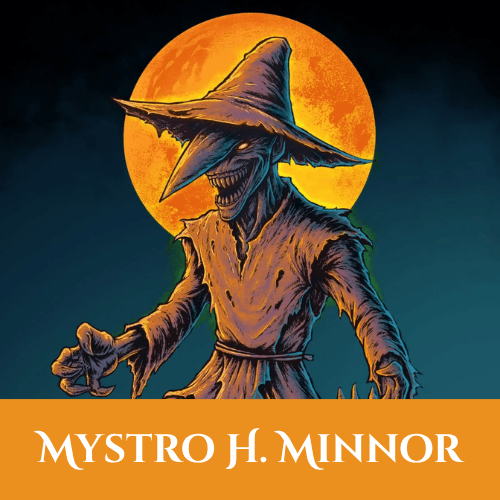
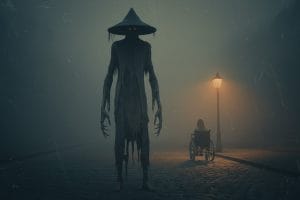
Consequently, those questions don’t resolve cleanly. This is why figures like the EggsTabletMan in Mystro H. Minnor’s debut novel work so well as horror. He’s not a creature with a clear origin or a single motive you can summarize. He exists at the edge of folklore and nightmare. There may be one being or many. He offers something real — help, connection, genuine care — and that offer is exactly what makes him dangerous. The horror isn’t that he’s going to hurt you. It’s that you won’t know he already has until it’s far too late.
Distinctly, that ambiguity is deliberate. Clear monsters can be defeated. Unclear ones just keep going.
Complicity Is the Real Weapon
Gore puts you in the position of witness. You watch something bad happen.
The best psychological horror, however, makes you complicit in it.
When a character makes a choice you understand — maybe even agree with in the moment — and that choice turns out to be terrible, something shifts. You’re not just watching anymore. You made the same call they did. The horror isn’t over there. It’s somewhere you would have gone too.
This is much harder to shake than anything you can show on screen. It doesn’t appeal to your disgust reflex. Instead, it appeals to your judgment. Consequently and most people trust their judgment. When a story quietly demonstrates that trust might be misplaced, the discomfort has a very long half-life.
The Body Versus the Psychological Horror Mind Game
Gore produces a physical response. Your stomach tightens. You look away. The reaction is fast and involuntary and real — but it’s also self-contained. Your body handles it, processes it, moves on.
Psychological horror, in contrast, produces a cognitive response. It makes you think. It raises questions your brain will keep chewing on: Was that character actually manipulating him? Did she know the whole time? Is that what was really happening in that scene earlier?
The more you think about them, the more possibilities open up. The uncertainty multiplies. Furthermore, unlike the physical flinch, it doesn’t go away when the book closes or the credits roll.
Additionally, that’s the mechanism. Psychological horror creates an open loop in your mind, and open loops are uncomfortable. Your brain wants to close them. It keeps going back to try. As a result, the story stays alive in your head long after it should have ended.
Why This Matters for the Genre Right Now
Horror as a genre is in a genuinely interesting moment. Some of the most talked-about recent releases have been almost entirely bloodless — their horror comes from sustained unease, from characters who behave almost normally, from situations that feel like they should be fine and aren’t.
Indeed, there’s a reason for that. Audiences have grown up on visual horror. They’ve seen most of what can be shown. The next frontier isn’t something more extreme — it’s something that gets past the defenses visual horror has trained people to put up, and works on the level where defenses are harder to build.
That’s where psychological horror lives. Eventually, not in what you can show, but in what you can make someone feel when there’s nothing to look at.
Read The EggsTabletMan – Psychological Horror
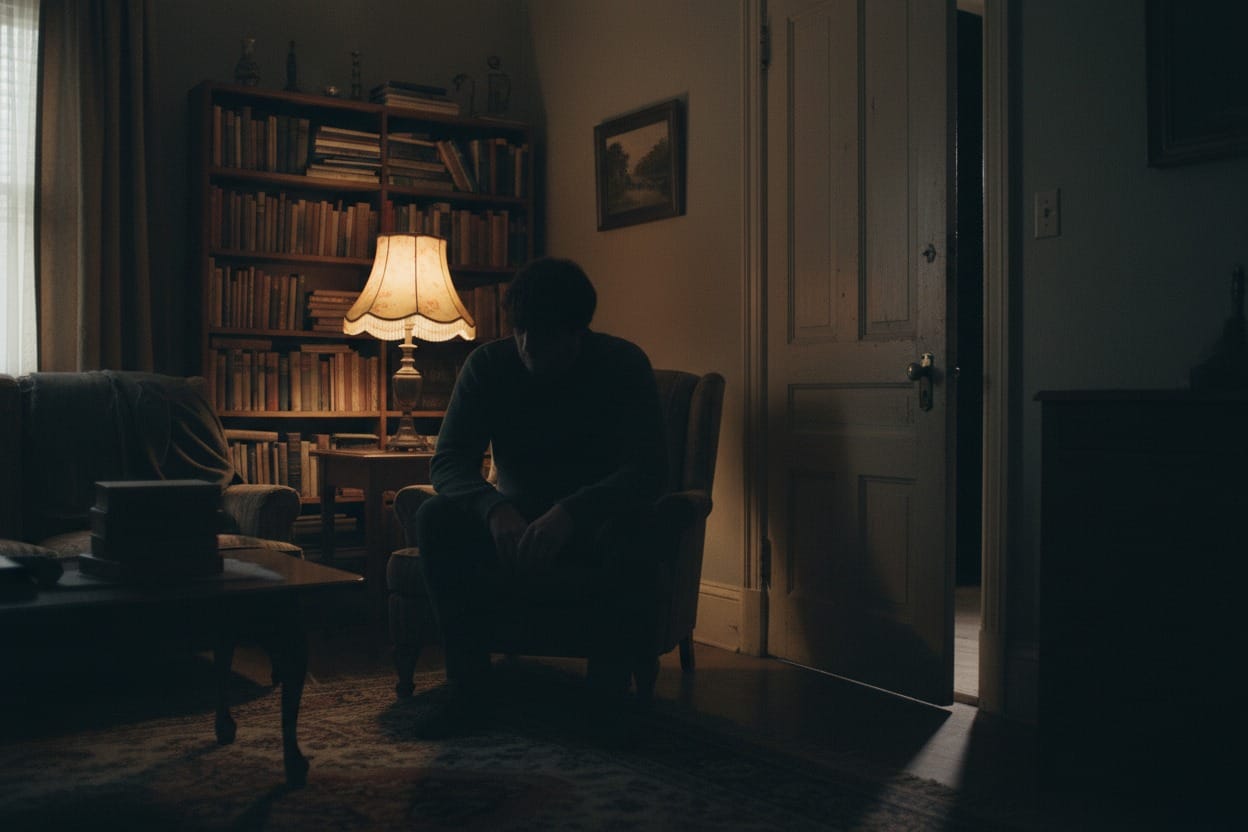
As a result, if you want to experience psychological horror done right, The EggsTabletMan by Mystro H. Minnor is available now on Amazon, Barnes & Noble, and Walmart. Read the first three chapters free at eggstabletman.com.